


Search toggle
Say hello.
Focus Str. 5th Ave, 98/2 34746 Manhattan, New York
+1 222 44 55

Heat Pumps Designed for Colorado Homes

Efficient heating and cooling for homeowners who want better comfort, smarter replacement planning, and lower long-term energy stress. 

heat pump
0

Heat Pumps create 3x the energy they use.

0

average annual savings vs. gas heating

0

operating temperature

One System. Two Jobs. 

Most homes run a separate furnace and air conditioner. A heat pump replaces both with a single system that moves heat in or out depending on the season.

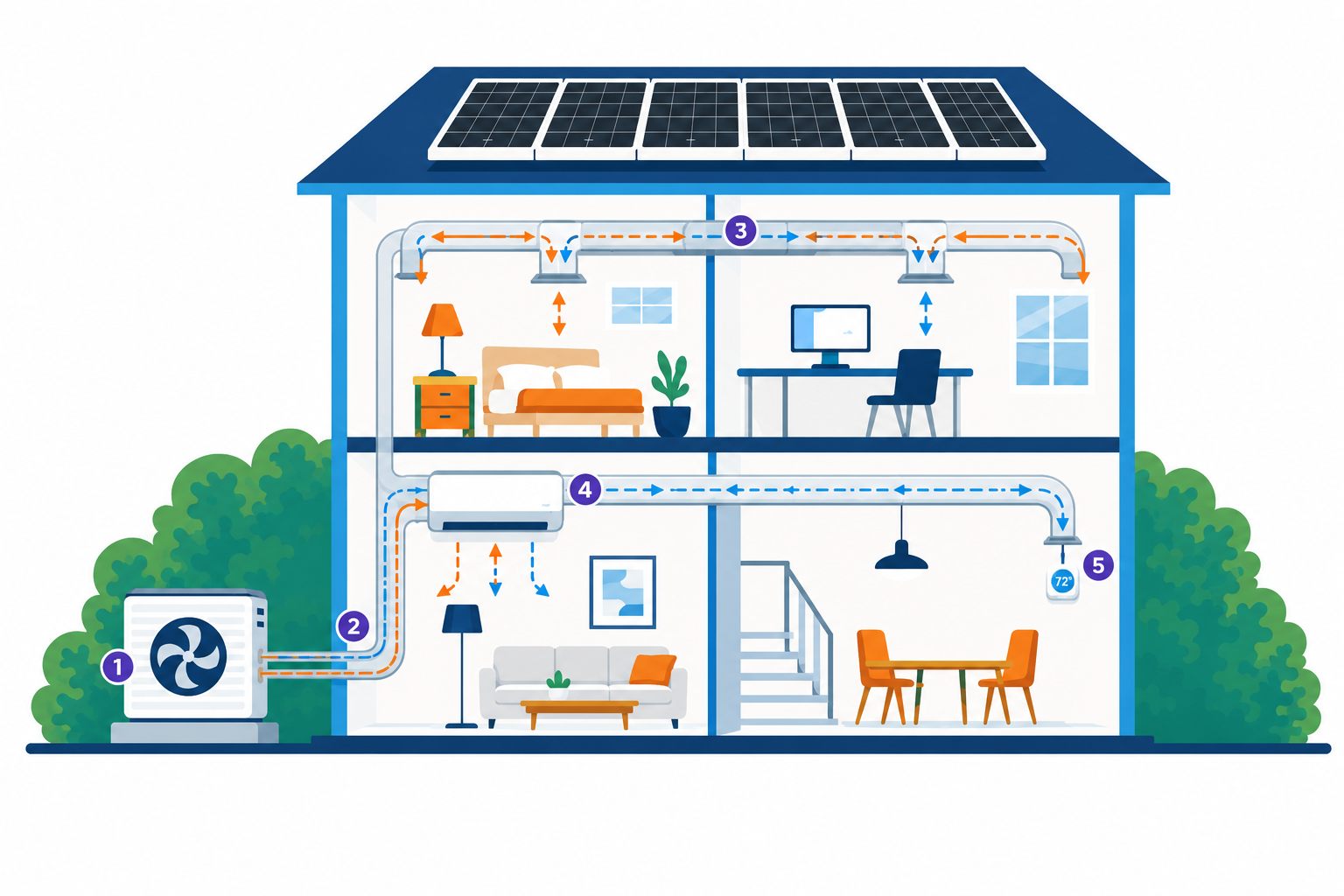
heat pump diagram

1. Outdoor Unit: The heart of the system. Contains the compressor and acts as the heat source in winter and heat release point in summer - one unit handles both heating and cooling. 

2. Refrigerant Line: The transfer highway. Refrigerant absorbs heat on one end and releases it on the other, moving thermal energy rather than creating it. This is why heat pumps are 2–3x more efficient than combustion heating. 

3. Ductwork / Air Handler: For homes with existing ducts, a ducted heat pump connects here and distributes conditioned air just like a traditional system, but without the furnace.

4. Mini-Split Indoor Unit: For rooms without ducts or additions, mini-splits mount on the wall and condition individual zones. Multiple indoor units can connect to one outdoor unit.

5. Thermostat: Controls the direction and intensity of the system. In winter it signals the pump to move heat in; in summer, heat out. Modern smart thermostats optimize both modes automatically.

When Your Current System Stops Working for Your Home

 If your home has uneven temperatures, an aging furnace, dry winter air, or an AC that may need replacement soon, a heat pump may be worth evaluating before you commit to another standard replacement. 

Uneven Heating and Cooling

If some rooms are too hot, too cold, or hard to keep consistent, your planning should consider system design, airflow, insulation, windows, and how your home holds temperature. 

AC Replacement

If your air conditioner is aging too, a heat pump may help address heating and cooling in one coordinated upgrade path.

Aging Furnace or High Heating Stress

If your furnace is loud, dry, inefficient, or nearing replacement, a heat pump can be evaluated as part of a smarter heating, cooling, and long-term energy plan.

Heat Pump Questions to Ask

Why should I consider a heat pump before replacing my furnace or AC?

 A heat pump can provide both heating and cooling, so it may change how you think about replacing an aging furnace, AC, or both. Planning before a system fails gives you more time to compare options, understand costs, review incentives, and decide whether a heat pump fits your home’s long-term energy plan. 

Can a heat pump completely replace my AC?

Yes. A heat pump works as an air conditioner in the summer and a heating system in colder months. For many homeowners, that means one system can address both cooling and part or all of the home’s heating needs, depending on the home, equipment selected, and backup heat strategy. 


What homes are a good fit for a heat pump?

Homes with aging furnaces, aging AC units, uneven rooms, or plans for future solar, battery storage, EV charging, or other electric upgrades are worth evaluating. The best fit is determined by how well the home holds temperature, existing ducts or layout, electrical capacity, and the homeowner’s goals.


How does a heat pump affect whole-home energy planning?

Electrification reduces a home’s reliance on fossil fuels by shifting heating and cooling from gas to electricity, which becomes cleaner as more renewable energy is added to the grid. To make that transition work well, heat pumps should be planned around your home’s efficiency, electric panel, utility rate, and future options like solar or battery storage. 

Do I need an energy audit before considering a heat pump?

Not necessarily. A full energy audit can be useful, but the first step is often a practical review of your current system, comfort issues, utility bills, and visible home conditions. If there are obvious draft, duct, insulation, or window concerns, an energy expert can help identify how those may affect heat pump planning. 

Start With Your Home’s Energy Profile

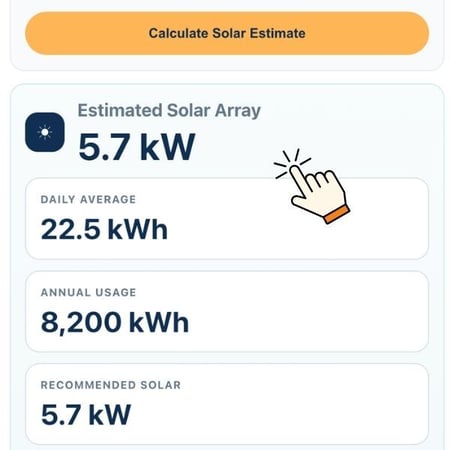
Estimate how much electricity your home uses today and explore how solar production could offset future utility costs over time.

EPE Consumption

Build Around What Matters Most

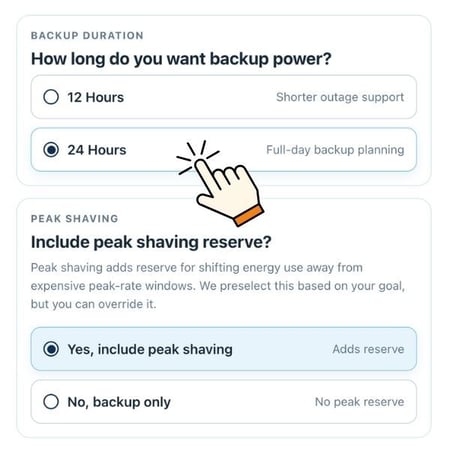
Explore backup priorities, outage planning, future EV charging, heat pumps, and other long-term energy goals before sizing a system.

EPE Backup

Compare Storage Options for Your Home

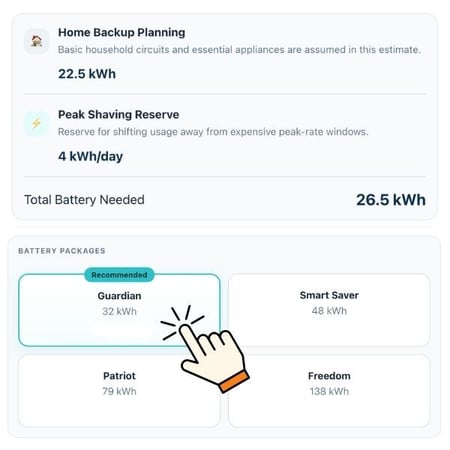
See how battery size, backup goals, and energy usage patterns shape different solar + storage strategies.

EPE Packages

Model the Long-Term Value

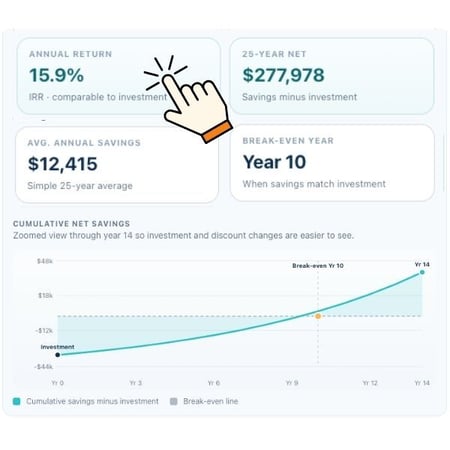
Review projected utility-cost scenarios, system assumptions, and how solar + storage may perform over time based on your household goals.

EPE ROI
constultation wide

Talk Through Heat Pump Options for Your Home

Whether you are replacing an aging furnace, comparing AC options, planning for electrification, or trying to understand how a heat pump fits with solar and storage, CEE gives you a practical place to ask questions and understand the next step for your home.